AI adoption · for sales and ops teams

I get sales and ops teams actually using AI, and build the tools they need when nothing off-the-shelf does the job.

Inside the business, on the work your team actually does. Not just a workshop.

Superusersone or two
Surface usersmost of the team
Non-usersa few

The job is moving the middle row up.

The jobs I usually find first.

  1. 01The quote that takes forty minutes and only one person can do.
  2. 02The handover nobody writes down.
  3. 03The report someone rebuilds every Monday from the same four places.
  4. 04The supplier email that gets retyped twenty times a week.
  5. 05The proposal each rep starts from a blank page, with the answer already sitting in the CRM.
  6. 06The answer only one person can give, that everyone else waits for.

None of these need a new hire. They just never got looked at. Your one or two superusers have probably worked some of this out for themselves already. The job is the rest of the team, and that only happens by sitting down and changing the work, not by another session on prompting. Hiring? Even better: new starters learn the new way from day one, and the questions they’d otherwise ask you have somewhere to go.

The tools your team probably already pays for
ChatGPTClaudeGeminiCopilotSlackNotionHubSpotSalesforceZapiern8nLinearFigma
And what I build with, when the off-the-shelf ones don’t reach
Claude CodeAnthropic APIOpenAI APICodexCursorReplitv0MCPPostHogPlaywright

Built in these, not just read aboutRobin AI, in production at Wildgoose since November 2025. Agentation, core contributor, four and a half million downloads a month. Stacktree, private-by-default hosting for the AI-agent era, designed, built and launched this year. And before any of that, apps past a million downloads. The GPT Store post, seven weeks before the store opened.

Why it hasn’t happened already.

Four reasons, none of them your team’s fault.

Nobody owns it.
It sits with whoever is technical, on top of their job, so it becomes a Slack channel.
It needs someone who can build.
Training companies can’t. Most developers won’t sit with sales.
People don’t adopt what’s mandated.
They adopt what they helped choose, on their own work.
Advice isn’t execution.
A deck says what to do. It doesn’t do it.

Not for: a workshop and a deck · a strategy document for the board · a full-time hire · a question a blog post would answer.

Steve Smith

Proof.

A training company can’t say “here’s the tool I built for you.”

[BUILT IT]

Built Wildgoose’s AI product finder from scratch. Live since July, eight weeks before Anthropic published its own open-source shopping agent.

[DOING IT NOW]

October to December 2026: three months inside a medical transport business. Every booking traced back to where it came from and what it made, and the knowledge of the person who ran it for decades put where two new starters can ask it.

This autumn

[SAW IT COMING]

In January 2023 I brought ChatGPT into the business to increase the team’s output, and saw the value immediately. First custom GPT six days after they launched. GPT Store post seven weeks before the store opened.

Dated, and still up there

[TAUGHT IT]

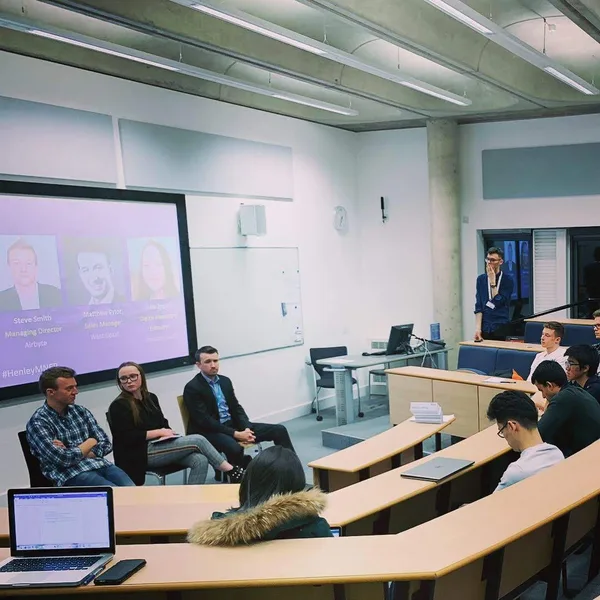
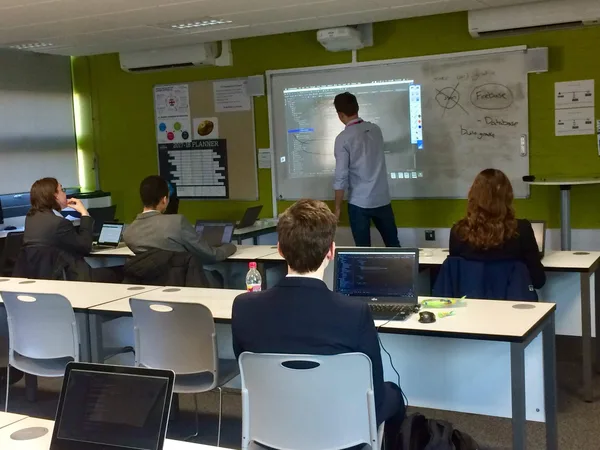
Taught Android to teenagers at college who’d never written code. Lectured MBA entrepreneurship students at Henley. Now AI, for sales and ops teams.

Teaching since 2016

“There isn’t anything Steve cannot do.”

Eugene Alcide, Marketing @ Asset Bank

“Without question, he went out of his way to help integrate coding into my role. He welcomed me into the tech team.”

Anneka Nicholls, marketing, three years at Wildgoose

“His patience stood out as he guided me through Ruby and Rails concepts despite my minimal experience.”

Roberto D’Amico, engineer, worked with Steve at Wildgoose

“Steve wears so many tech hats and he wears them all so well! I was forever amazed at his capacity to cover so many bases with such expertise, patience and diligence.”

Steve Batcup, engineer, reported to Steve at Wildgoose, now at Smaller Earth

Three ways to start.

Fixed scope, fixed price, agreed on the call. Most people start with the day.

Three to six months

One team at a time · inside the business
One fixed price for the first three months

I’m in the business every week. We find the jobs eating the week and I build the tools that do them. Small group sessions, plus 1:1 time on each person’s own work, so your team learns to use them because they watched them get made. More than one team asking? We pick the first on the call.

You own and run what I build. No maintenance, no retainer by stealth.

Ongoing

After the three months, or on its own
A fixed monthly fee

A weekly call, and me on Slack in between. For building the next thing, or just for direct contact with a terminally online, AI-pilled human.

Inside the first three months
Week 1
Sitting with the work
Two or three people, real jobs on their screens, a list of what’s worth fixing by Friday. Not an interview about the work. The work.
Weeks 2–12
Small groups, then 1:1
Short sessions with the team, then time with each person on their own tasks until the new way holds on a bad Tuesday.
Any week
The tools, in the right order
The ones you already pay for first. Then an automation. Then, when nothing exists, I build it.
Finish
Handover, not a retainer
Documented and yours. Whoever owns the process runs it, and whoever does your IT gets the notes. I leave.

There’ll be a course, built out of these engagements rather than out of what I imagine people need. Register interest →

Understand the problem. Build the thing that fixes it.

Five pieces of work. The pattern is the same each time.

  1. The problem

    Wildgoose runs team events for companies, built around scavenger-hunt games. Every game was designed by hand from a blank canvas, and customers with a catalogue too big to browse asked the team instead. Both ate hours a week.

  2. What I found

    Twelve years in their systems, from the booking engine to the apps, meant I knew where the hours went. The game builder was powerful and slow to use. The same customer questions got different answers depending on who replied.

  3. What I built

    Robin AI, an assistant inside the game builder. Describe the event and it drafts the game, plans before it builds, and improves what’s already there.

  4. Also built

    The AI product finder on their website, live since July 2026. Tested using evals against every type of customer, multiple times, before it met a real one. Every conversation logged and analysed, on a ringfenced account. Before any of that: the booking engine, the ops system that carried them through COVID-era growth, and apps past a million downloads.

“He could quite literally create and test an entire platform from scratch, and still have time to make it look great.”Anneka Nicholls, marketing, three years at Wildgoose
The bit where you’re sceptical.

Reasonably so.

Fair question, and most people selling this can’t answer it. The AI runs through an account your business owns, ringfenced from everything else. Every conversation is logged, so you can see what’s being asked. Nothing is trained on your data, and nothing goes anywhere you haven’t signed off. It’s written down before we start.

Most companies this size haven’t. The tools live in accounts you already own, and the person who owns the job owns the tool: the ops manager runs the Monday report, not a developer. Anything with code in it is written up for whoever does your IT, in their language. If you’d rather I stayed on the end of Slack, that’s the ongoing option, and it’s for the next thing, not for keeping the last one alive.

That’s the usual shape of it, and it’s normally the owner or the one technical person. You’ve done the hard part already: working out what it’s good for. What’s missing is everyone else, and the things that only exist if someone builds them. You’re the top row of that diagram up the page. The job is moving the middle row up to you.

Nearly everyone does. Meeting summaries nobody reads, an autocomplete nobody switches on. Paying for it isn’t using it.

Most training stops at basic prompting, so six weeks later everyone’s using it as a search box. A workshop is a day out with generic examples, and everyone’s back to normal by Thursday. Rollouts usually die with middle managers: execs approve it, managers quietly make it optional. Underneath all three there’s often a quieter worry too: if AI does the work, what am I for? So I don’t run a session. I work with the team on their own work, the people who’d otherwise opt out choose what we fix, and I stay long enough to watch the new way wobble and fix it while I’m still there.

They would. That’s what happens when someone senior comes back from a conference converted and tells everyone to use AI. I start the other way round: your team says what they’d rather not be doing, and we fix that first. Nothing gets added to anyone’s plate in week one. And nobody has to admit they don’t get it. Most people are making this up as they go along, and taking the hierarchy out of the room is half the job.

Eventually, do. But a good one is months away and expensive to get wrong, and they’ll land in workflows nobody has fixed yet. If you’re hiring anyway, this is the best time: new starters learn the new way from day one, and the answers they’d otherwise have to ask you are written down where they can ask them.

I’ve held that seat, so I know the difference. A fractional CTO owns the whole estate: the roadmap, the suppliers, the systems, the IT when it comes to it. This is one half of that job. I sit with sales and ops, find the work eating their week, build the tools that do it and hand them over. Whoever runs your technology keeps everything else, and if what you actually need is the whole estate run, I’ll say so.

Good. They’re probably answering every AI question in the building already, on top of the job, and lately having their answers checked against ChatGPT. I’ve been that person: getting AI into the engineers was the easy half, and I never had the weeks to sit with sales, ops or marketing. I’m not a replacement. I’m the three months they don’t have, and what I build is theirs to run afterwards. More for technical leads →

It will, if a chatbot drafts the email and someone hits send. What I build starts from your team’s own words: last year’s quotes, the handover you’d write if you had the time, the report in the shape the board already reads. The AI does the assembling. The person does the judging. If a customer can tell, we’re not finished.

Then I build it. That’s the half most people offering this can’t do, and it’s usually where the actual gain is.

Still sceptical? Good. Bring it to the call.

[BOOK A CALL]

Fifteen years making technical things usable by people who aren’t technical.

I built my first product at 19: an app so students at my own university could find their timetable. It reached ten thousand users on about a hundred pounds of marketing, and became the studio I co-founded before I’d graduated.

Since then it’s mostly been the same job in different clothes: lecturing entrepreneurship students, teaching Android to teenagers who’d never written code, and since early 2023, AI. The first question in my own ChatGPT history is about a client. So were my first nine to Claude. Honestly the most fun of my career. I went down every rabbit hole, got in early on the things that turned out to matter, and pushed the early releases hard enough to see how they really work behind the curtain. I came out wanting to hand the useful bits to everyone. There has never been a better time to build something, and I’d rather your team felt that than heard it from me.

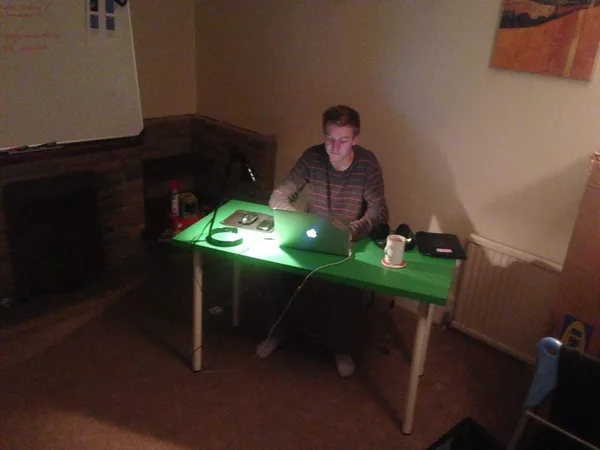
Late night at a home desk, MacBook glowEarly days, 2011
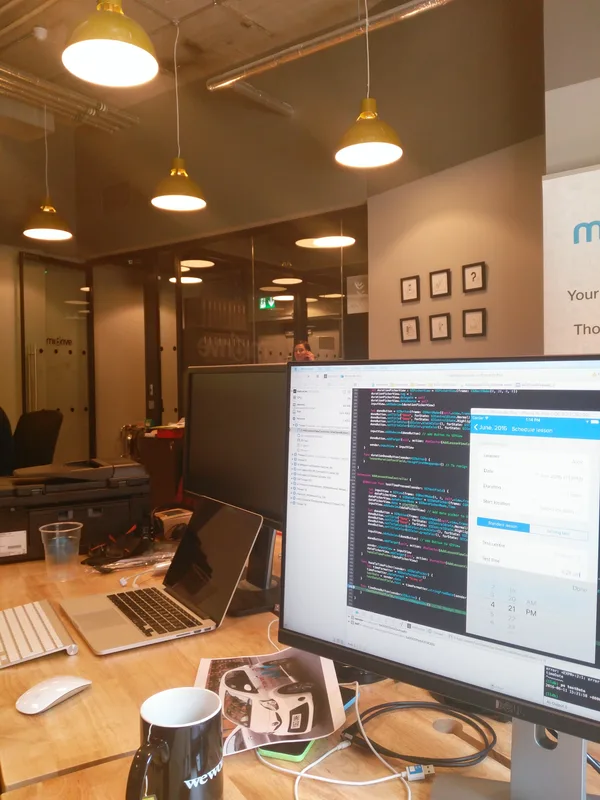
First office, whiteboard planningFirst office, 2012
Wildgoose appWildgoose, shipped 2013
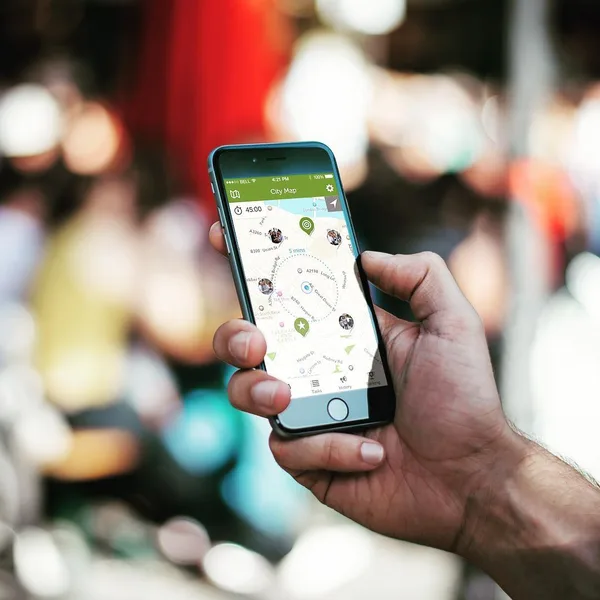
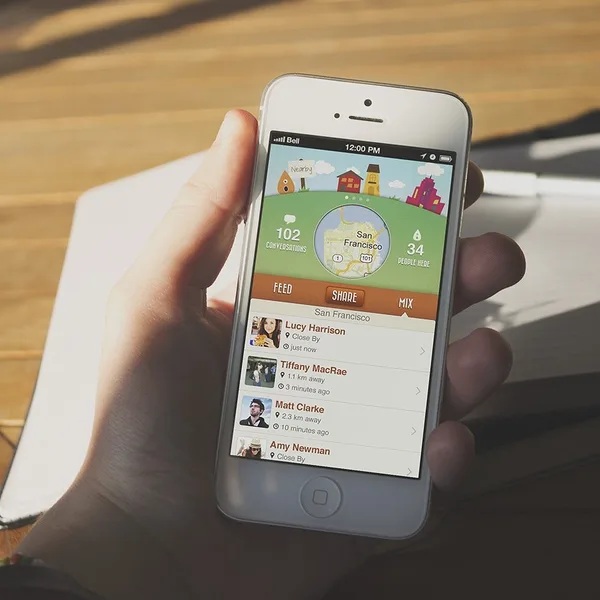
Mixer appMixer · TechCrunch
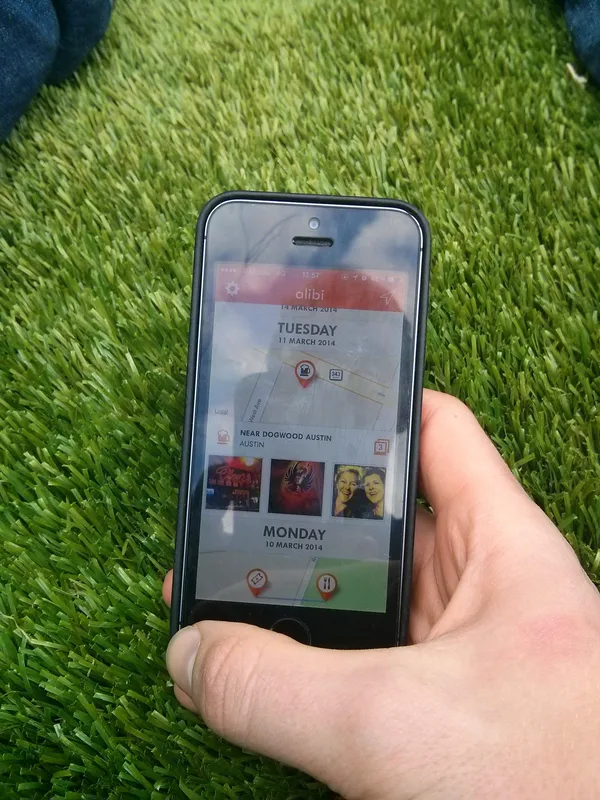
Alibi app at SXSWSXSW launch, 2014
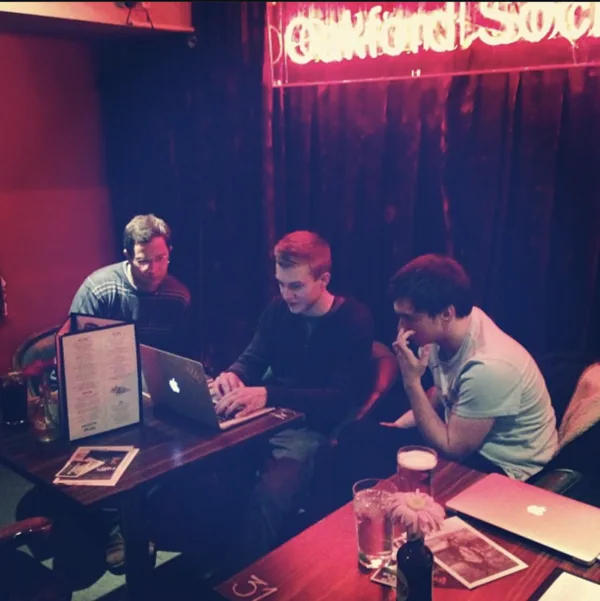
Building products togetherBuilding Alibi, 2014
miDrive officemiDrive HQ
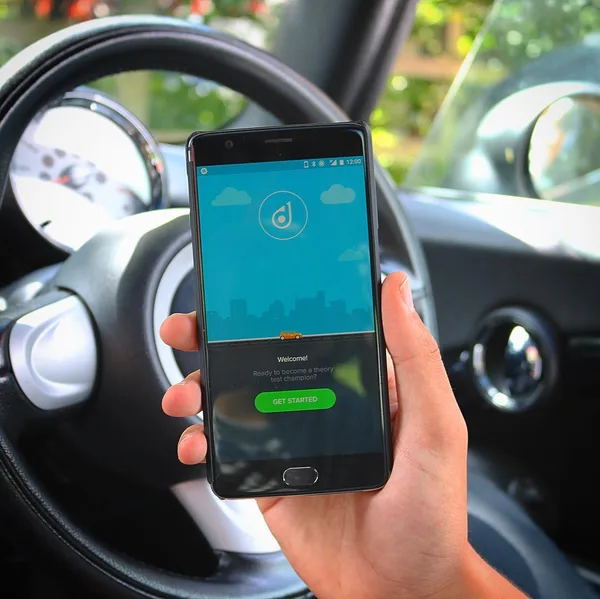
miDrive appmiDrive, 300k+ downloads
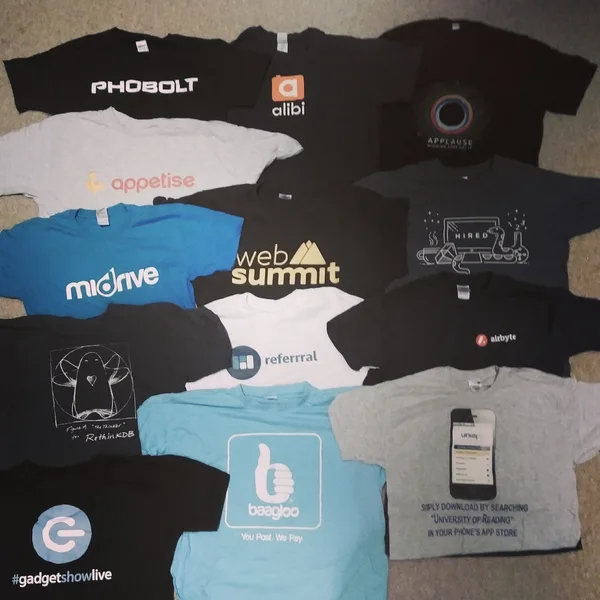
Startup t-shirt collectionThe merch collection 2017
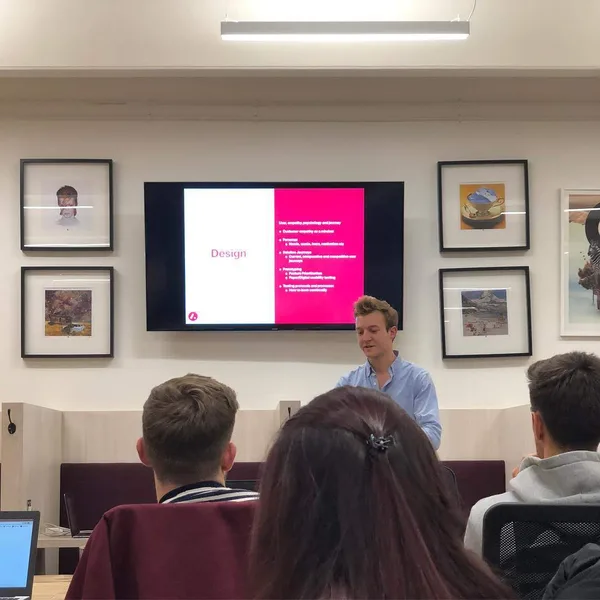
Product and design talkProduct & design talk
Speaking on a founder panelFounder panel, 2018
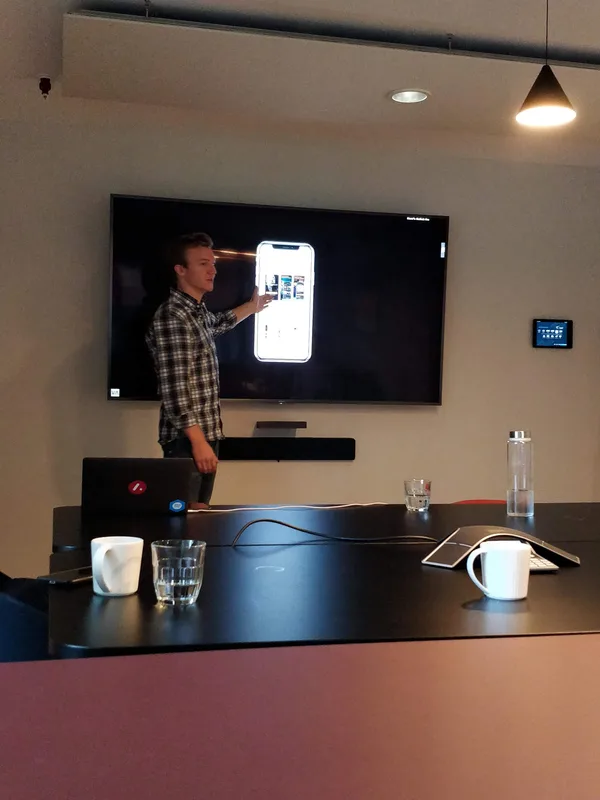
Presenting an app demoApp pitch, 2018
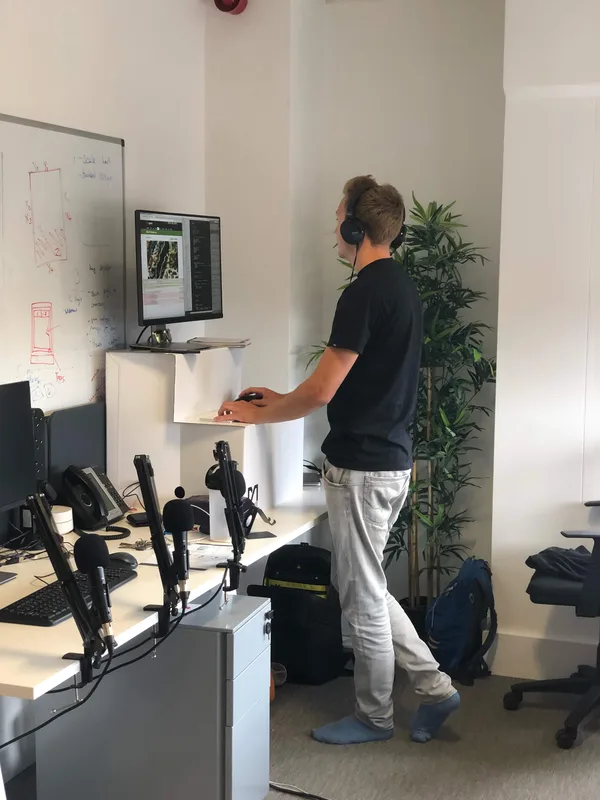
Standing desk focus timeFlow state, 2018
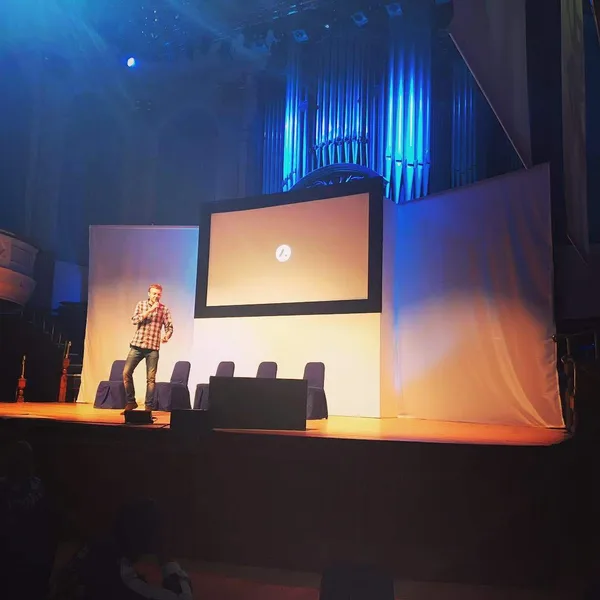
Keynote talk on stageKeynote talk, 2019
Android workshop with a classroom of studentsAndroid workshop, 2019
Conference in PraguePrague 2022
Design work and notesBuilding Flow, 2024
2011
first product shipped, aged 19, while still a student
10k
users on roughly £100 of marketing, before I graduated
80+
products shipped since, every engagement benefits from the last

Tell me where it’s
not landing.

Half an hour on what your team is actually doing with AI, and whether this is worth either of our time.

Prefer to skip the form? Book a 30-minute call or email steve@yume.co.

Steve Smith